Surprising Facts About Maintaining Bike Parts Wellington in Humid Climates
Wiki Article
Discover the Important Motorcycle Components You Required for Ideal Performance
Understanding the vital parts of a bike is essential for accomplishing peak efficiency. Each part, from the engine to the braking system, plays a critical role in general functionality and safety and security. Regular maintenance can protect against unexpected failures and enhance the riding experience. Lots of motorcyclists neglect the details of these systems. Discovering exactly how they interact can lead to a much more efficient trip. What essential parts should every biker prioritize?The Engine: The Heart of Your Motorbike
The engine serves as the core component of a motorbike, driving its performance and defining its capabilities. It is accountable for converting fuel right into mechanical power, which powers the bike forward. Different kinds of engines are employed, consisting of single-cylinder, V-twin, and inline setups, each offering distinctive attributes fit for various riding purposes and styles. The engine dimension, usually measured in cubic centimeters (cc), significantly influences efficiency, with bigger engines usually giving more power and torque.Furthermore, the engine's design and technology, such as fuel injection systems or air-cooling versus liquid-cooling, impact effectiveness and reliability. Upkeep is important for peak operation; elements like routine oil modifications and checking ignition system guarantee durability. Bikers commonly consider an engine's responsiveness and level of smoothness, as these qualities boost the total riding experience. Inevitably, the engine remains an important element that defines not just the motorbike's performance yet additionally the biker's connection to the device.The Transmission: Moving Gears Smoothly
The transmission plays a necessary duty in a motorbike's efficiency, specifically in the mechanics of gear moving. Comprehending how to move equipments smoothly can improve the total riding experience, while routine maintenance warranties peak functionality. Proper focus to these facets can significantly impact the longevity and effectiveness of the motorcycle.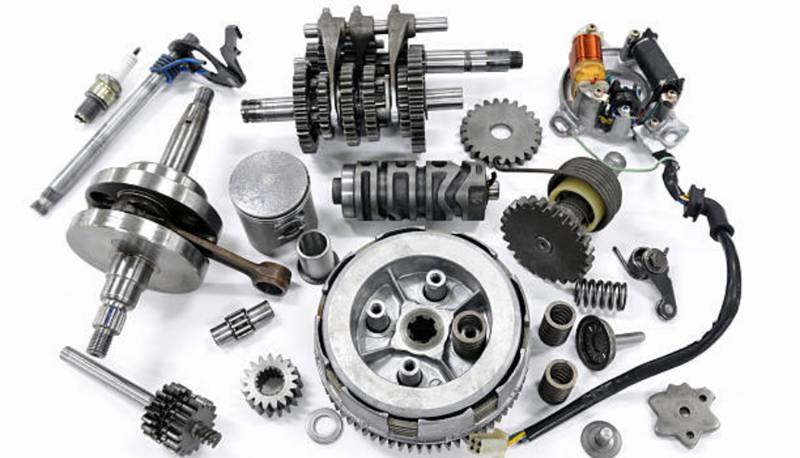
Gear Shifting Mechanics
Smooth gear changing is important for ideal motorbike efficiency, significantly influencing both velocity and control. The auto mechanics of gear changing include the interaction between the clutch, gear lever, and transmission system. When a biker engages the clutch, it disengages the engine from the transmission, permitting a gear modification without harming the elements. A well-timed release of the clutch, incorporated with precise movement of the gear bar, assists in a smooth change in between gears. This procedure assures that the engine operates within its ideal power band, enhancing performance. Bike Parts Wellington. In addition, understanding the equipment ratios and their effect on rate and torque can aid motorcyclists make notified selections throughout shifts, ultimately adding to an extra enjoyable and receptive riding experienceUpkeep Tips Importance
Regular upkeep plays an important duty in assuring that the transmission system runs efficiently, enabling smooth equipment changes. Routinely changing the transmission and inspecting fluid is important, as old liquid can lead to enhanced friction and wear. In addition, inspecting the clutch for wear guarantees peak involvement and disengagement, avoiding slippage during equipment adjustments. Lubrication of relocating parts is similarly vital to reduce friction and enhance performance. Bike owners must also monitor for leaks and uncommon noises, as these can suggest underlying issues. By adhering to these upkeep pointers, cyclists can extend the lifespan of their transmission system, guaranteeing that equipment changes continue to be seamless and adding to the overall efficiency of their motorcycle.The Braking System: Ensuring Security on Every Adventure
Braking systems are fundamental parts that straight influence a motorcycle's safety and security and performance. They include numerous components, including brake pads, blades, calipers, and hydraulic lines, all working together to guarantee effective deceleration. The sort of braking system-- commonly either disc or drum-- impacts responsiveness and stopping power.Regular upkeep is necessary to support peak efficiency; used brake pads can bring about decreased performance and raised quiting distances. In addition, the quality of brake fluid need to be kept track of, as it can soak up moisture with time, endangering braking efficiency.Riders need to also take into consideration the value of anti-lock braking systems (ABS), which stop wheel lockup during abrupt stops, boosting overall security. Properly operating brakes are not just concerning stopping; they instill confidence in the biker, permitting safer navigation via various terrains. Ultimately, a dependable stopping system is important for appreciating every ride with satisfaction.The Suspension: Enhancing Comfort and Control
A well-functioning suspension system greatly adds to a motorcycle's overall performance, enhancing the effectiveness of the braking system. The suspension plays a significant duty in taking in shocks from unequal surfaces, ensuring a smoother experience while maintaining tire contact with the road. This contact is important for both security and control, allowing bikers to navigate edges with self-confidence and precision.Different kinds of shock absorber, such as telescopic forks or mono-shocks, supply differing levels of convenience and handling. Effectively tuned suspension boosts responsiveness, supplying the biker with a much more linked feel to the motorbike. Normal maintenance checks are necessary to determine the suspension parts, consisting of dampers and springtimes, are working at their ideal. An effective suspension system not only boosts the riding experience however likewise contributes to the long life of various other motorcycle components by decreasing deterioration. As an outcome, spending in top quality suspension is crucial for any kind of serious motorbike fanatic.
The Tires: Linking You to the Roadway
Tires play an essential duty in a motorbike's performance, working as the primary web link between the road and the rider. Recognizing the different kinds of tires readily available can greatly impact managing and safety. Furthermore, normal maintenance is crucial to guarantee peak tire performance and long life.Tire Keys In Explained
Exactly how do different tire types affect a motorbike's efficiency? Tire kinds play a crucial duty in figuring out a motorbike's hold, handling, and stability. Sporting activity tires, created for high efficiency, deal enhanced grip and responsiveness on paved roads, making them excellent for competing and hostile riding. Conversely, exploring tires focus on toughness and convenience, offering a smoother ride for long-distance travel. Off-road tires, characterized by their tough step patterns, master grip on unpaved surface areas, suitable for adventure enthusiasts. Additionally, dual-sport tires blend characteristics from both off-road and on-road categories, satisfying versatile riding needs. Inevitably, picking the ideal tire kind is important for maximizing efficiency, making sure safety and security, and improving the overall riding experience.Maintenance Tips Offered
While riding when traveling, maintaining excellent tire condition is vital for safety and security and performance. Consistently checking tire pressure is necessary, as under-inflated tires can lead to bad handling and boosted wear. It is a good idea to evaluate step depth frequently; used tires compromise grasp and stability. On top of that, motorcyclists need to seek signs of damage, such as splits or lumps, which can indicate the requirement for substitute. Rotating tires regularly assures also put on, enhancing long life. Additionally, keeping tires clean from debris and preventing excessive curbs can prolong their lifespan. Ultimately, preserving proper alignment and equilibrium adds to peak efficiency, reducing stress and anxiety on various other bike parts. Abiding by these upkeep pointers will significantly enhance the total riding experience.The Fuel System: Sustaining Performance and Performance
The gas system plays an essential role in optimizing a motorcycle's performance and efficiency, as it assures the optimal shipment of fuel to the engine. It makes up a number of essential components, including the fuel storage tank, gas pump, gas filter, and gas injectors or carburetor. Each part has to function effectively to guarantee a effective and smooth ride.The fuel storage tank stores fuel and provides it to the engine via the fuel pump, which generates the needed stress. A gas filter protects against pollutants from going into the engine, while the injectors or carburetor mix gas with air for combustion.Proper upkeep of the gas system is critical; a clogged up filter or malfunctioning injector can bring about decreased performance and raised gas consumption. By verifying that the gas system operates efficiently, bikers can delight in enhanced throttle action, much better fuel economy, and in general enhanced riding experience.The Electric System: Powering Your Experience
An efficient electrical system is important for the overall capability and safety and security of a motorcycle, as it powers important elements such as the ignition, lights, and various digital systems. This system consists of the battery, which stores energy, and the alternator, responsible for creating power while the engine runs. The electrical wiring harness connects these parts, guaranteeing dependable power distribution.Additionally, fuses secure the system from overloads, while relays assist control high-current tools with low-power signals. A well-kept electrical system improves efficiency by making sure smooth starts and regular operation of signals and lights, crucial for cyclist presence and safety.Regular checks of the battery's fee and links are essential for stopping electrical failures. Riders must also check electrical wiring for damage, ensuring all parts operate ideally. Ultimately, a durable electrical system contributes substantially to the general efficiency and integrity of the motorcycle.Regularly Asked Questions
Just how Typically Should I Replace My Motorbike's Battery?
The regularity of motorcycle battery replacement depends on use and upkeep (Motorbike Components NZ). Generally, batteries should be replaced every three to 5 years. Routine checks can help identify when a replacement is needed for peak performanceWhat Devices Do I Required for Basic Motorcycle Upkeep?
For basic bike upkeep, one requires crucial tools such as a socket set, wrenches, screwdrivers, pliers, tire pressure scale, and a torque wrench. These tools facilitate reliable upkeep and guarantee the motorbike runs effectively and securely.Exactly How Can I Boost My Bike's The rules of aerodynamics?
To boost motorbike the rules of aerodynamics, one must think about changing fairings, utilizing windshield expansions, enhancing body setting, and decreasing total weight. These alterations aid decrease drag, improving stability and fuel efficiency throughout experiences.What Are the Signs of a Failing Electrical System?
Indications of a falling short electric system include dimming lights, trouble starting, irregular tool analyses, and blown fuses. Bike Parts Wellington. Unusual scents or deterioration around battery terminals may also indicate underlying issues requiring prompt focus for safety and security and efficiency
Just how Do I Pick the Right Oil for My Bike?
When selecting oil for a motorcycle, one need to take into consideration the manufacturer's specifications, thickness rankings, and the sort of riding. Furthermore, synthetic versus conventional oil can impact performance and engine defense, affecting the decision substantially. The engine dimension, usually determined in cubic centimeters (cc), considerably affects efficiency, with bigger engines typically providing even more power and torque.Furthermore, the engine's style and modern technology, such as fuel injection systems or air-cooling versus liquid-cooling, influence effectiveness and reliability. A well-functioning suspension system greatly contributes to a motorcycle's overall efficiency, matching the effectiveness of the stopping system. The fuel system plays a vital function in making best use of a Motorcycle Spares Christchurch motorbike's efficiency and efficiency, as it assures the optimum delivery of gas to the engine. A gas filter stops contaminants from getting in the engine, while the injectors or carburetor mix fuel with air for combustion.Proper upkeep of the gas system is important; a blocked filter or malfunctioning injector can lead to lowered performance and enhanced fuel intake. A well-kept electric system enhances efficiency by ensuring smooth begins and regular operation of signals and lights, important for cyclist visibility and safety.Regular checks of the battery's fee and connections are vital for protecting against electrical failings.Report this wiki page